Guide
Working in Korea After Graduation
Korea wants its international graduates to stay. Here is the full ladder, from a part-time job during your degree to a work visa, and from there to permanent residence.

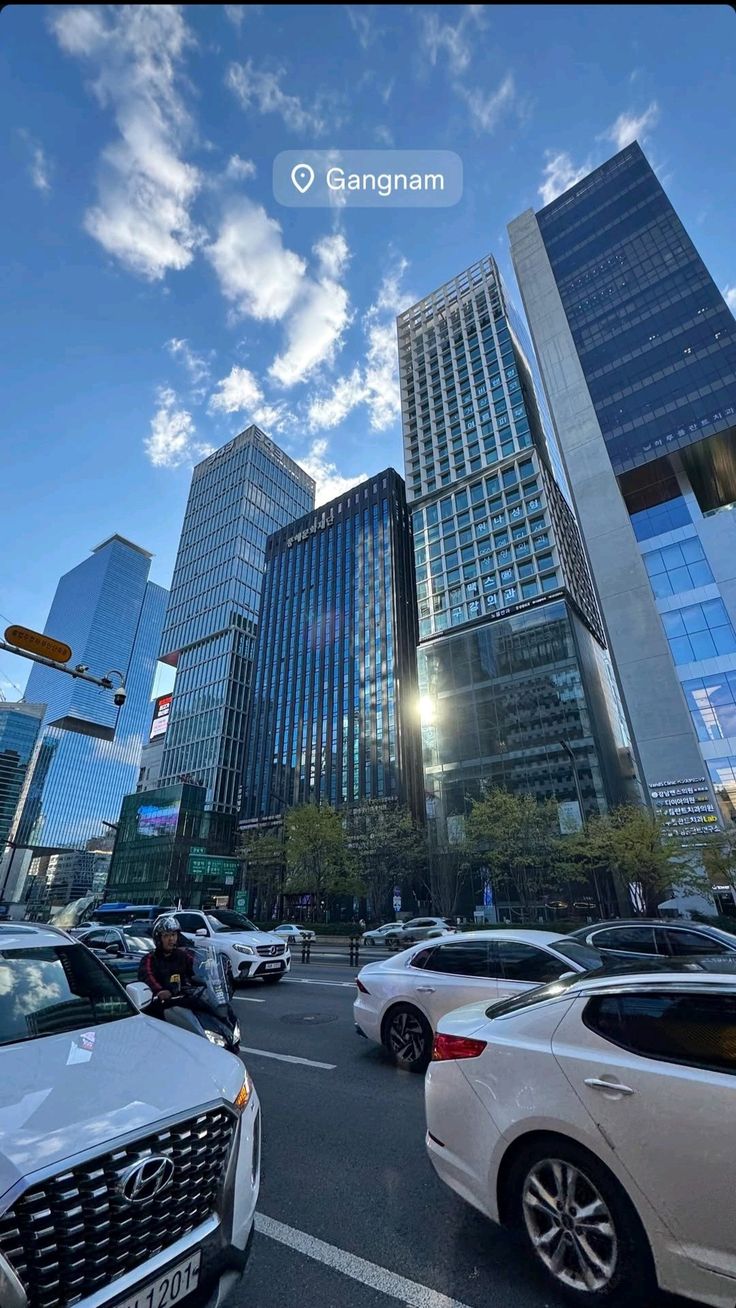
A degree in Korea does not have to end at graduation. Korea faces a shrinking workforce and has steadily made it easier for international graduates to stay, work, and eventually settle. The path runs through a sequence of visas, each with a clear purpose. This guide is the map of that ladder, and each rung links to a detailed guide. (Looking for the job-search side, which industries hire foreigners and how to apply? Start at the work-in-Korea hub or the complete job playbook.)
- During your degree: you can work part-time on your D-2 student visa with a permit, within hour limits tied to your Korean level.
- The moment you graduate: the D-10 job-seeker visa lets you stay in Korea to look for work, with a points exemption for recent Korean-university graduates.
- When you get hired: most graduates move onto the E-7 work visa, which is employer-sponsored and tied to a skilled occupation.
- For long-term freedom: the F-2-7 points-based residence visa lets you change jobs freely and start a business, and leads to F-5 permanent residence.
- Korean language and a Korean degree both score points at almost every stage, which is why the language year and TOPIK pay off well beyond admission.
The visa ladder at a glance
| Stage | Visa | What it lets you do |
|---|---|---|
| During study | D-2 (with work permit) | Part-time work within hour limits set by your TOPIK level |
| Just graduated | D-10 job-seeker | Stay in Korea to job-hunt and do internships, time-limited |
| Hired | E-7 work visa | Full-time skilled work for a sponsoring employer |
| Established | F-2-7 residence | Work for anyone, start a business, build toward permanent residence |
| Long-term | F-5 permanent residence | Stay indefinitely, no sponsorship needed |
Stage 1: Working while you study
You do not have to wait until graduation to start. On a D-2 student visa, you can take part-time work once you have a permit, usually after your first semester. How many hours you can work depends on your TOPIK level: a higher level unlocks more hours, and during official vacations the weekly cap is lifted. (If you came to Korea for a language year first, the parallel rules are in the D-4 part-time work guide.)
Part-time work is about experience and pocket money, not a career, but it is also where many students make the contacts and references that lead to an internship or a first job.
Stage 2: The job-seeker visa (D-10)
When your degree ends, you usually cannot stay on a student visa, but you may not have a job lined up yet. The D-10 job-seeker visa exists for exactly this gap. It lets you remain in Korea to search for work and do internships for a limited but extendable period. Recent graduates of Korean universities (with sufficient Korean) often qualify for a points exemption on the first issuance, which makes the transition smoother.
Stage 3: The work visa (E-7)
Once an employer wants to hire you, the standard route is the E-7 work visa. It is employer-sponsored and tied to a designated skilled occupation, with a minimum salary threshold and qualification rules (typically a relevant degree, or a degree plus experience). Most international graduates who stay to work in Korea spend their first few years on an E-7.
Stage 4: Long-term residence (F-2-7 and F-5)
After you have established yourself, the F-2-7 points-based residence visa is the prize. It is scored on age, education, Korean ability, and income, and once you reach the threshold it frees you from employer sponsorship: you can change jobs, work for anyone, or start your own business. Hold F-2 status long enough and meet the income bar, and you can apply for F-5 permanent residence, which lets you stay indefinitely.
What to do next
- Still studying? Read the part-time work on a D-2 visa guide and consider an internship.
- Graduating soon? Plan your move to the D-10 job-seeker visa.
- Have an offer? Read the E-7 work visa guide.
- Thinking long-term? See the F-2-7 residence visa and the path to permanent residence.