Guide
GKS-G Application Documents: Forms, Research Plan, and Recommendations
At graduate level the study or research plan is the document that wins or loses you the scholarship. Here is the full checklist, in order, and where to spend your time.

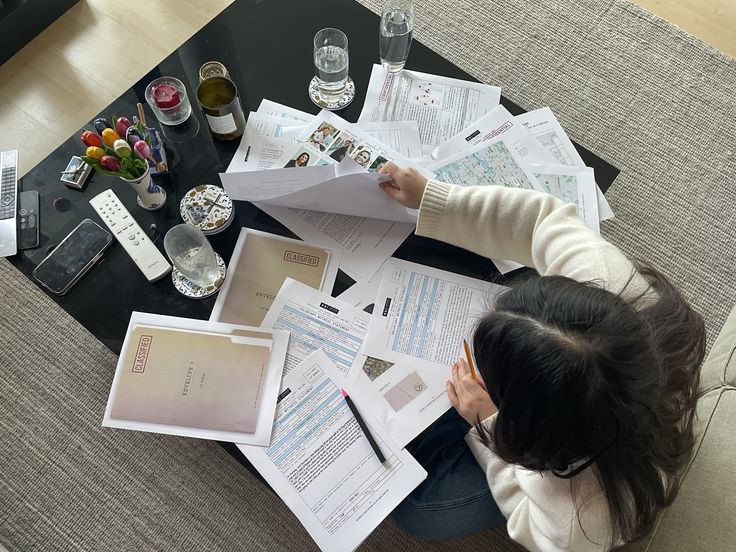
The GKS-G document set overlaps heavily with the undergraduate one, but with two important additions: a study or research plan that carries real weight, and stronger expectations around academic references. As always, the official guidelines are the final authority and the exact forms change each cycle, so treat this as the map and confirm specifics at the source.
- The forms are standard, but the study or research plan is decisive at graduate level. Spend most of your effort there.
- You need degree and transcript certificates for your most recent degree (bachelor's for a master's, master's for a PhD), authenticated.
- Recommendation letters matter more at graduate level; choose referees who know your research potential.
- Authentication (apostille or consular confirmation) is the slowest step. Start it before anything else.
- Language proof (TOPIK or an English test, depending on the program) strengthens your file and can affect the language-year requirement.
The core checklist
| Document | Notes |
|---|---|
| Application form | The official GKS-G form for your cycle |
| Personal statement | Your background, motivation, and goals |
| Study plan / research proposal | The graduate-level differentiator; see below |
| Two letters of recommendation | From people who can speak to your research ability |
| Degree certificate(s) | Bachelor's for a master's; master's for a PhD; authenticated |
| Academic transcript(s) | For your most recent degree, authenticated and translated |
| Proof of nationality | For you and, where required, your parents |
| Language proficiency | TOPIK and/or an English test, per the program |
| GKS pledge and agreements | Standard signed forms |
| Medical assessment | Health forms, completed during the process |
The study or research plan: where to focus
This is the document that separates funded applicants from rejected ones at graduate level. Reviewers and potential advisors want to see that you have a clear, feasible plan and that it fits the Korean program you are applying to. A strong plan typically:
- States a focused research question or goal, not a broad topic.
- Shows you have read the field, including work by faculty at your target university.
- Connects to a specific advisor or lab whose work aligns with yours.
- Is realistic for the time and resources of the program.
Recommendation letters
At graduate level, references should speak to your capacity for research, not just your grades. The best letters come from a thesis supervisor, a research mentor, or a professor who has seen you work independently. The general principles, who to ask and how, are the same as for any Korean application; see the recommendation letters guide.
Authentication and translation
Your degree and transcript usually need an apostille (or consular confirmation if your country is not part of the Apostille Convention), plus certified translations into Korean or English. This is the slowest part of the whole application and the most common reason people miss deadlines. The mechanics are the same as for the undergraduate program; the GKS-U documents guide and the documents checklist cover apostille and translation in detail.
What to do next
- Draft your study or research plan early, with a target advisor in mind: see the universities guide.
- Start your apostille now, then read the GKS-G timeline.
- Line up referees using the recommendation letters guide.