Guide
Graduate School in Korea for International Students
A master's or PhD in Korea can be world-class, taught in English, and fully funded. Here is how to choose a program and advisor, what the application needs, and how to pay for it.

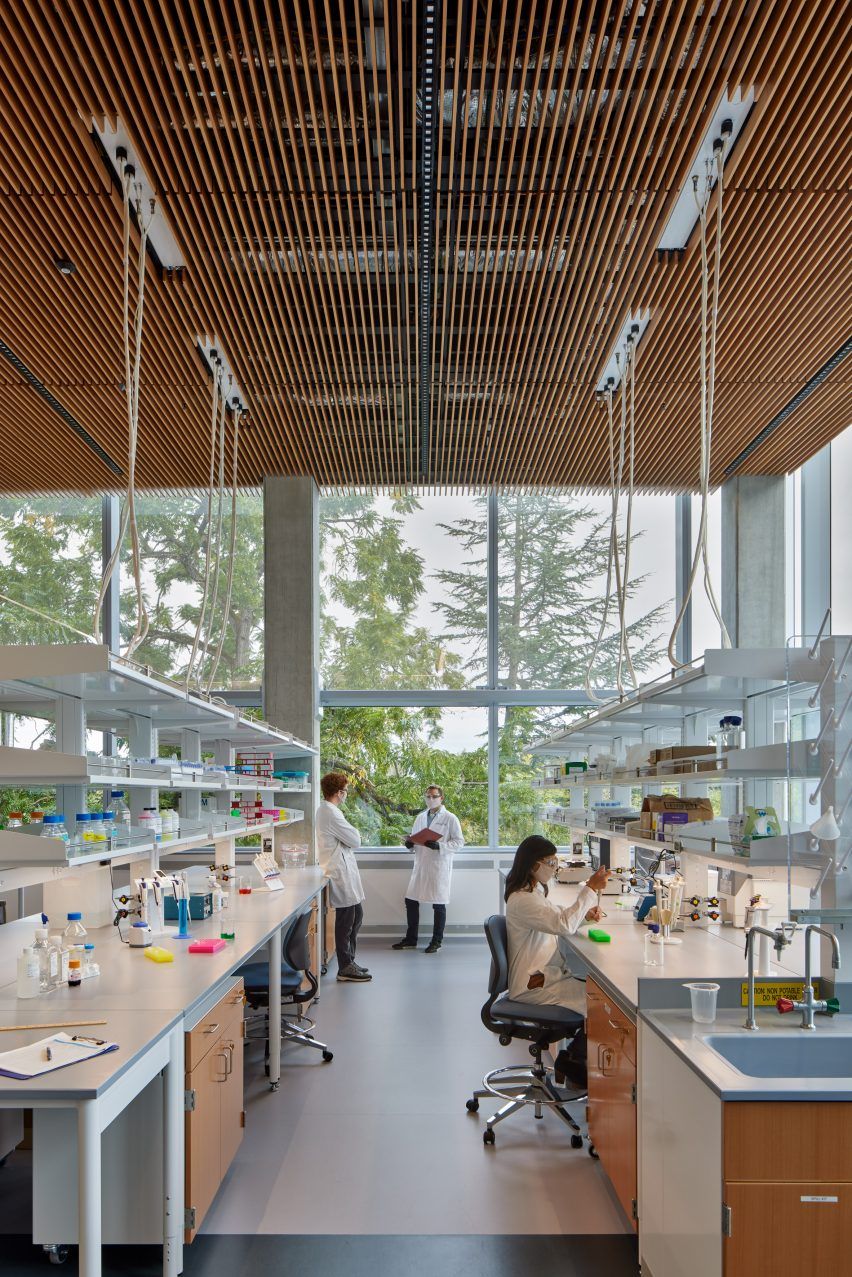
Korea has become a serious destination for graduate study, especially in engineering, science, and technology, backed by heavy national investment in research. For international students, the combination of strong labs, English-taught programs, and generous funding (including the fully funded GKS Graduate scholarship) makes a master's or PhD here genuinely competitive with far more expensive countries. This guide is the practical how-to.
- The advisor is the most important choice. A master's or PhD is built around your research group; pick the person, then the school.
- Many programs are taught in English, especially in science and engineering, so you can apply without fluent Korean.
- The research plan and references carry the application, more than test scores.
- Funding is realistic: GKS-G, university scholarships, and teaching or research assistantships can cover tuition and living.
- There are spring and fall intakes, but funded scholarships like GKS-G run on their own earlier calendar.
Step 1: Find the advisor, then the program
The biggest difference from undergraduate study is that graduate work revolves around a research advisor. Before you fixate on rankings, search for faculty whose recent work overlaps with your interests. A strong advisor in your exact field, with an active lab and time for students, will shape your research, funding, publications, and career far more than the university's overall prestige. Read recent papers from target labs, then email potential advisors with a short, specific message that references their work and your goals.
Step 2: Check the language of instruction
Many Korean graduate programs, particularly in STEM, are taught partly or fully in English, and labs often work in English day to day. Others are in Korean. Confirm the language for each specific program. If you want to study in English, our study in Korea in English guide explains how that works and when TOPIK is still useful. Even in English-taught programs, some Korean helps daily life, which is why funded scholarships include a language year.
Step 3: Build the application
A Korean graduate application typically asks for:
| Component | What matters |
|---|---|
| Research / study plan | The core: a focused question, knowledge of the field, fit with an advisor |
| Transcripts and degree | Your most recent degree, authenticated and translated |
| Recommendation letters | From people who can speak to your research ability |
| Language proof | English test (IELTS / TOEFL) and/or TOPIK, per the program |
| Statement of purpose | Why this program, this advisor, and this research |
| CV and any publications | Especially for PhD applicants |
The research plan and statement of purpose carry the most weight. For structure and pitfalls, use the statement of purpose guide, and for references, the recommendation letters guide. Authentication of your documents (apostille and translation) is the slowest step; see the documents checklist.
Step 4: Fund it
You rarely need to pay full freight for graduate study in Korea:
- GKS Graduate scholarship (GKS-G): the fully funded government route, covering tuition, a stipend, airfare, and a language year. See the GKS-G complete guide.
- University scholarships: many universities offer tuition reductions or full waivers for strong international graduate students.
- Teaching and research assistantships: especially in funded labs, an advisor's research grant or a TA position can cover tuition and provide a stipend.
The wider funding landscape is in the fully funded scholarships guide, and real costs (if you self-fund) are in the cost of studying in Korea guide.
Step 5: Mind the calendar
Korean universities generally have spring (March) and fall (September) intakes, with applications a few months ahead. But funded scholarships run on their own, earlier timelines: GKS-G closes in late winter and spring, well before regular admission deadlines. If funding is the goal, plan around the scholarship calendar, not the university intake date.
What to do next
- If you want full funding, start with the GKS Graduate scholarship guide.
- Identify advisors using the GKS-G universities guide and the universities directory.
- Draft your research plan and statement of purpose.