Guide
Part-Time Jobs and Pay for Students in Korea
How much can you actually earn? The minimum wage, the jobs students really do, and a realistic monthly figure once the visa hour limits are factored in. This guide is about the money; the legal rules live in a separate guide.

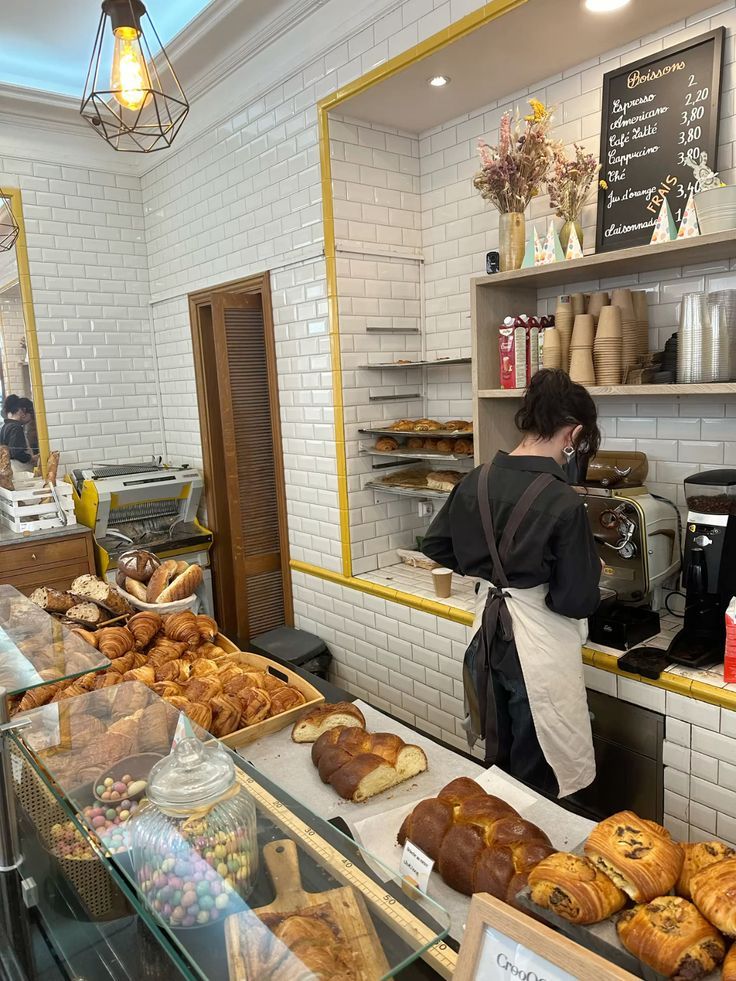
Part-time work in Korea is a real help with living costs, but it is important to be realistic: the visa hour limits mean it supplements your budget rather than replacing a scholarship or family support. This guide focuses on the earnings side, what you can make, in what jobs. For the legal side (the permit you must get, the hour caps by TOPIK level, the banned jobs), read the part-time work on a D-2 visa guide first.
- The 2026 minimum wage is KRW 10,320 per hour, which most student jobs pay at or near.
- A full month at the minimum wage (about 209 hours) works out to roughly KRW 2,156,880, but students cannot work full-time during term.
- During term, realistic earnings are around KRW 700,000 to 1,100,000 a month, within typical hour limits.
- In official vacations the cap lifts, so you can earn substantially more for those months.
- Typical jobs: cafes, convenience stores, restaurants, and campus roles. Some students earn more from tutoring or language-related work.
The minimum wage, and what a month looks like
Korea sets a national minimum wage each year. For 2026 it is KRW 10,320 per hour (up from KRW 10,030 in 2025). On the standard full-time basis of about 209 hours a month, that is roughly KRW 2,156,880. But students are capped well below full-time during the semester, so that full-time figure is a ceiling you only approach during vacations.
Realistic monthly earnings
Putting the wage and the hour limits together, here is a realistic picture for a student earning around the minimum wage:
| Item | KRW | USD (approx) |
|---|---|---|
Term-time, lower hour cap Roughly 10 hours a week, e.g. below the higher TOPIK threshold | About 450,000 | About 335 |
Term-time, higher hour cap Roughly 20 to 25 hours a week, with a higher TOPIK level | 700,000 to 1,100,000 | 520 to 815 |
Vacation, cap lifted Closer to full-time during official school breaks | 1,500,000 to 2,150,000 | 1,110 to 1,590 |
These assume pay at or near the minimum wage and are before any tax or deductions. They are illustrative; your real total depends on your hours, your wage, and how consistent the work is.
The jobs students actually do
Most student part-time work clusters in a few areas:
- Cafes and restaurants: common, flexible, usually around the minimum wage.
- Convenience stores: widely available, including evening and weekend shifts.
- Campus jobs: library, administrative, or lab roles, sometimes arranged through your department.
- Tutoring and language-related work: can pay more per hour, but be careful, some teaching work requires a different visa or is restricted on a student visa. Confirm what is permitted before you accept anything.
How to find part-time work
- Your university. Career and international offices, and department noticeboards, often list student-friendly, compliant jobs.
- Local businesses near campus. Cafes and stores in student areas hire regularly; a Korean-speaking friend helps.
- Student communities. University groups and forums share openings, especially around term changes.
Part-time pay fits into your wider plan in the monthly student budget guide.
What to do next
- Read the legal rules first: part-time work on a D-2 visa.
- Fold earnings into your plan with the monthly student budget guide.
- Thinking beyond graduation? See working in Korea after graduation.