Guide
The Alien Registration Card (Residence Card) in Korea
It is the single most important piece of paper in your first months. Get it within 90 days, and almost everything else (bank, phone, insurance) opens up.

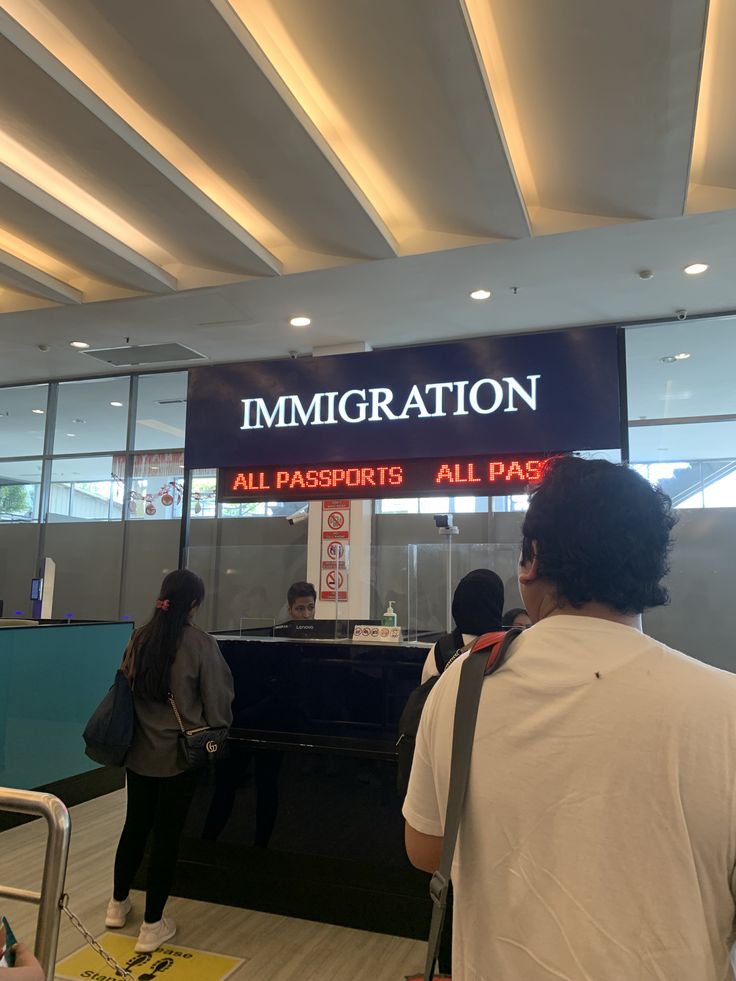
If you are staying in Korea longer than 90 days, you must register with immigration and receive a residence card. Most people still call it the alien registration card, or ARC, and you will see both names everywhere. The government officially renamed it the residence card in 2021, but the function is identical: it is your legal ID inside Korea, tied to your visa, and it is required for a bank account, a long-term phone plan, health insurance, and almost every other adult task.
- Register within 90 days of arrival. Missing the deadline can mean a fine.
- Book a slot on HiKorea first. Walk-ins are generally not accepted; you reserve a time, then submit documents in person at your local immigration office.
- "ARC" and "residence card" are the same thing. The name changed in 2021; the document did not.
- The card unlocks everything else. Bank account, long-term phone contract, and health insurance all key off it.
- It takes a few weeks to arrive. Use a prepaid SIM and a passport-only bank account in the meantime if you need them sooner.
The 90-day rule
You must apply for your residence card within 90 days of entering Korea. This is a legal deadline, not a suggestion, and applying late can result in a fine. The safest approach is to treat it as a first-month task rather than a 90-day one, because immigration appointment slots can book out and processing itself takes time.
What you need
Exact requirements vary slightly by office and nationality, so always confirm against your immigration office's current list. A typical student set includes:
- Your passport and a copy.
- The application form (available on HiKorea and at the office).
- A passport-style photo.
- Your certificate of enrollment or admission from your university.
- Proof of your Korean address (a lease, a dormitory confirmation, or a residence document).
- The fee, paid in revenue stamps at the office (a modest amount, often around KRW 30,000).
- For some nationalities, a tuberculosis test result from a designated hospital.
Your university's international office almost always runs a briefing on exactly which documents your cohort needs and which immigration office to use. Start there.
The step-by-step process
- Settle your address. You need a confirmed place to live and proof of it before you apply.
- Get your enrollment certificate from your university.
- Make a reservation on HiKorea for your local immigration office.
- Submit your documents in person at the appointment and pay the fee.
- Collect or receive your card. Processing typically takes a few weeks; some offices mail the card, others have you return to pick it up.
What the card unlocks
Once you have your residence card (and the registration number on it), you can:
- Open a full bank account.
- Sign a long-term phone contract instead of prepaid.
- Confirm your national health insurance.
- Sign housing contracts in your own name and handle most official paperwork.
Keeping it valid
Your card is tied to your visa, so keep both current. If you move, you must report your new address to immigration (often within 14 days). If you extend or change your visa, the card is updated to match. Carry it or keep a clear photo of it; it is your ID in Korea.
What to do next
- Read the Life in Korea overview for how this fits the wider settling-in sequence.
- Once your card arrives, open a bank account.
- Confirm your health insurance enrollment.