Guide
Living in Korea: Culture, Etiquette, and Your First Weeks
Culture shock is normal, and it fades faster than you expect. Here is the everyday etiquette, the friend-making, the budget eating, and a simple checklist to get your first two weeks right.

The practical side of moving to Korea (housing, banking, the residence card) gets handled in a few weeks. The cultural side is fuzzier, and it is the part most students worry about. Here is the truth: Korea is safe, convenient, and welcoming to students, the adjustment is real but temporary, and a little awareness of local norms goes a long way. Here is what actually helps.
- Everyday etiquette is learnable fast: a small bow as a greeting, using two hands to give and receive, and removing shoes indoors cover most situations.
- Friends come through repetition: clubs, language exchanges, and your department, not one big event. Show up regularly.
- Eating is cheap if you eat local: campus cafeterias, convenience stores, and small restaurants beat imported groceries.
- Pack light but bring documents and any specific medication; almost everything else is easy to buy in Korea.
- Korea is very safe, with excellent late-night transport and a strong convenience culture.
Everyday etiquette that matters
You do not need to master formal Korean customs to fit in. A handful of everyday habits cover most daily interactions:
- Greetings. A slight bow of the head is the standard greeting and thank-you. A handshake (often with a slight bow) is common too.
- Two hands. Giving or receiving something, money, a card, a gift, with two hands (or your right hand supported by the left) reads as polite, especially with someone older.
- Shoes off indoors. Remove your shoes when entering homes and many guesthouses, traditional restaurants, and some study rooms.
- Age and seniority. Koreans often ask your age early; it is not rude, it sets how people address each other. Deferring slightly to elders and seniors is normal.
- Quiet in transit. Phone calls on the subway are kept short and low. Headphones are universal.
Making friends
This is the thing students most want and most underestimate. Friendships in Korea tend to grow from repeated, low-key contact rather than one big social event:
- Join clubs and student societies. University clubs (donghari) are the classic route and welcome international members.
- Do a language exchange. Pairing with a Korean student who wants to practise your language is a reliable way to make a first friend and improve your Korean.
- Lean on your department and dorm. The people you see weekly become your circle. Say yes to small invitations early.
- Use the international office. Most run buddy programs that pair you with a current student for your first semester.
Eating and shopping on a budget
Food is one of the easiest places to live well cheaply:
- Campus cafeterias serve full meals for a few thousand won, the single best value on this list.
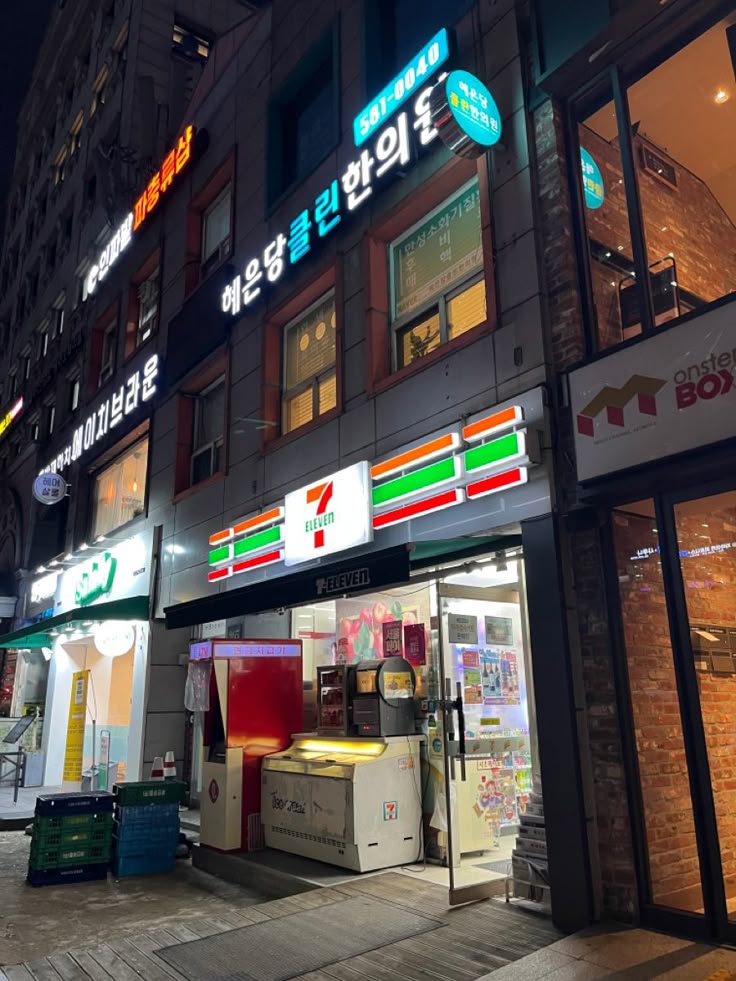
- Convenience stores (CU, GS25, 7-Eleven) do surprisingly good, cheap meals, and they are everywhere.
- Small local restaurants beat both delivery and Western chains on price and portion.
- Markets and discount grocers are cheaper than premium supermarkets; imported Western products carry a markup, so cooking Korean is cheaper than cooking what you ate at home.
For the full money picture, see the cost of studying in Korea.
What to pack
Bring the things that are hard to replace, and buy the rest in Korea:
- Bring: your passport and key documents (with copies), any specific prescription medication with its documentation, an unlocked phone, and clothing for all four seasons (Korean winters are cold, summers are hot and humid).
- Buy there: toiletries, bedding, kitchen basics, and most clothing. Note that Korean shoe and clothing sizes can run small, so if you are a larger size, bring shoes.
Your first two weeks: a checklist
- Get a prepaid SIM for an immediate Korean number.
- Move into your housing and register at your university.
- Book your residence card appointment on HiKorea.
- Open a bank account (passport-only first if needed).
- Get a T-money card and install Naver Map or KakaoMap; see getting around.
- Confirm your health insurance.
- Join one club or sign up for the international office buddy program.
What to do next
- Start with the Life in Korea overview to see how every piece fits together.
- Still deciding where to study? Compare cities in the universities directory and run the KoreaAdmit quiz.