Guide
Student Housing in Korea: Dorms, Goshiwon, and One-Rooms Compared
Your housing choice sets your budget and your daily life for the year. Here are the three real options, what each costs, and how Korea's deposit system actually works.

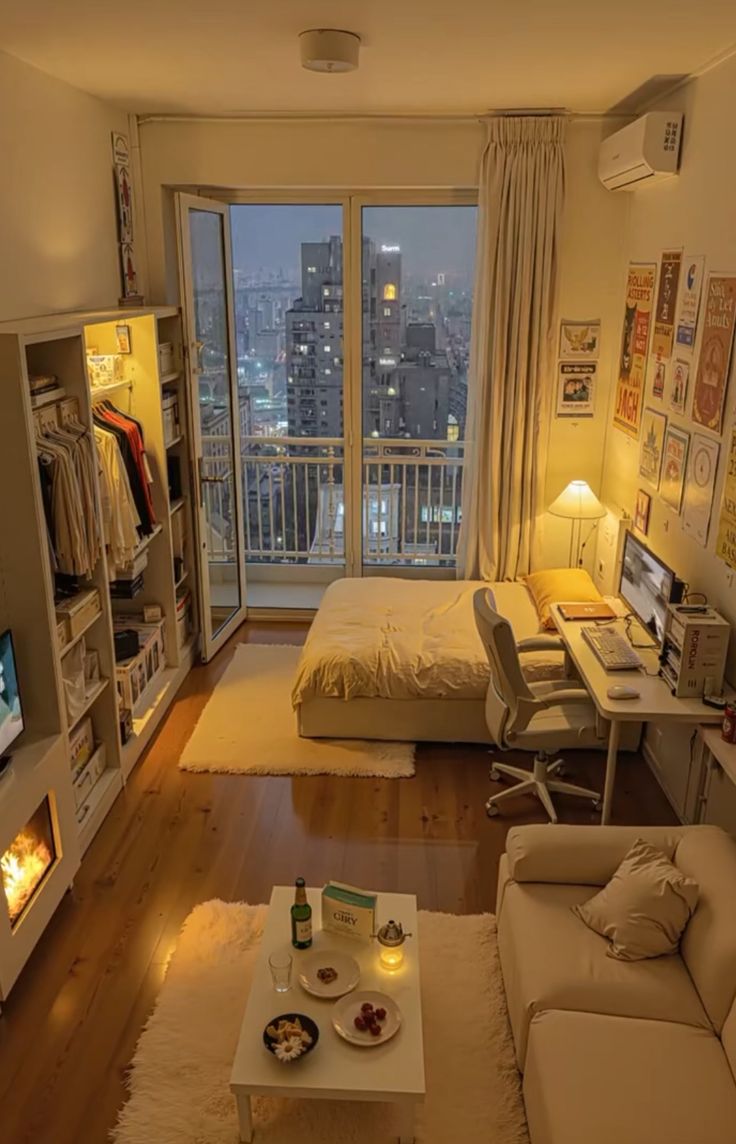
Most international students in Korea choose between three things: a university dormitory, a goshiwon, or a one-room apartment. They differ on price, space, privacy, and how much money you need upfront. The single biggest surprise for newcomers is the deposit system, so we will cover that first, then compare the options.
- Dorms are the simplest first year: furnished, near campus, little or no deposit, but limited spots that fill early.
- Goshiwon are the cheapest and most flexible: a tiny private room, rented monthly with no deposit. Good for a landing pad or a language year.
- One-rooms give you space and privacy but need a refundable deposit, often KRW 5,000,000 to 10,000,000, on top of monthly rent.
- Wolse means monthly rent plus a modest deposit; jeonse means a very large lump-sum deposit and little or no monthly rent. Most students use wolse.
- Outside Seoul, the same money buys far more room. Housing is where leaving the capital saves the most.
First, the deposit system (wolse vs jeonse)
Korean rentals work differently from most countries. There are two models:
- Wolse: a deposit plus monthly rent. The deposit is refundable when you leave, and a bigger deposit lowers your monthly rent. For students this is the normal route, with deposits often in the KRW 5,000,000 to 10,000,000 range.
- Jeonse: instead of monthly rent, you hand over one very large lump sum (often tens or hundreds of millions of won) for the whole lease, and get it all back at the end. It ties up far too much cash for most students, so it is rarely the student option.
The three options compared
| Option | Privacy | Deposit | Best for |
|---|---|---|---|
| University dorm | Shared or single room | Little or none | A simple, safe first year |
| Goshiwon | Private tiny room, shared kitchen | None | Landing pad, language year, tight budget |
| One-room / officetel | Full private studio | KRW 5,000,000 to 10,000,000 (wolse) | Space and independence after year one |
University dormitory
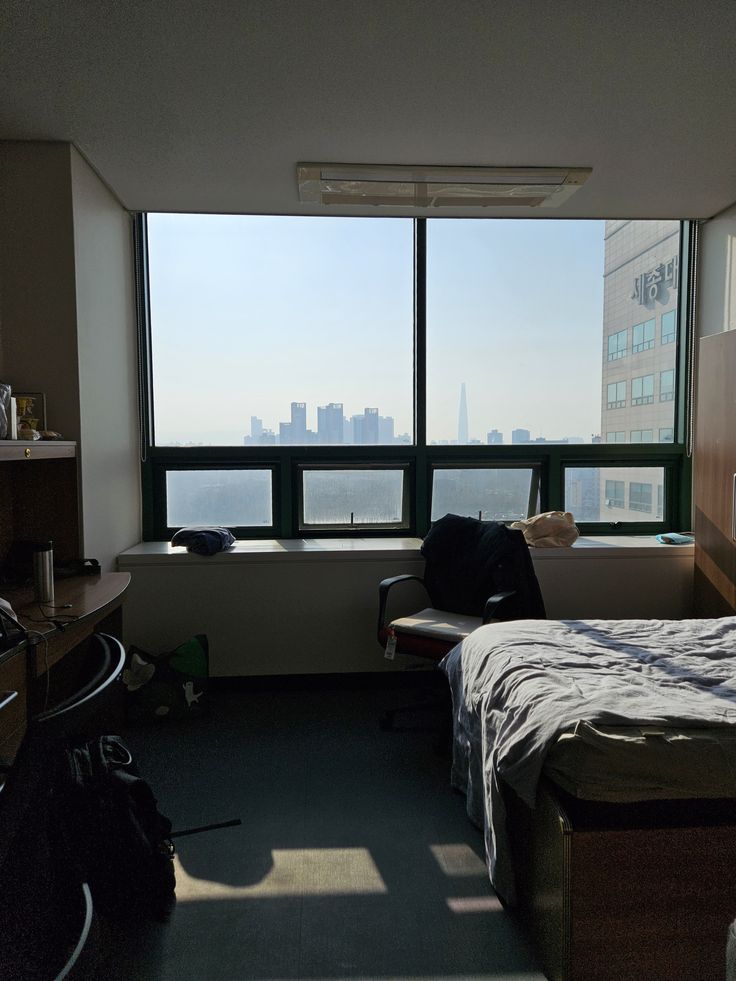
The easiest choice for a first year. Dorms are furnished, on or beside campus, and usually need little or no deposit. Many include or offer a meal plan. The catch is supply: international dorm spots are limited and assigned early, so apply the moment your admission is confirmed. Rooms are often shared, and there can be curfews or visitor rules.
Goshiwon
A goshiwon is a very small private room, usually just a bed, a desk, and sometimes a tiny ensuite, with a shared kitchen and laundry. You rent it by the month with no deposit and no long commitment, which makes it ideal for your first few weeks while you look for something better, or for a full language year on a tight budget. The trade-off is space: rooms are genuinely tiny.
One-room or officetel
A one-room is a compact studio apartment with your own kitchenette and bathroom. An officetel is a similar studio in a managed building, often with better security and facilities. Both give you real privacy and space, but they need a deposit (wolse), plus monthly rent and utilities. This is where most students move after a first year in a dorm or goshiwon.
What each option costs per month
These are typical Seoul ranges. Smaller cities run noticeably lower, especially on one-room rent and deposits.
| Item | KRW | USD (approx) |
|---|---|---|
University dormitory Per month equivalent. Meal plan sometimes extra | 300,000 to 600,000 | 220 to 445 |
Goshiwon No deposit. Higher with a private bathroom | 350,000 to 650,000 | 260 to 480 |
One-room / officetel rent Plus a refundable deposit of KRW 5,000,000 to 10,000,000 | 450,000 to 750,000 | 335 to 555 |
Utilities and maintenance Heating in winter is the big swing | 80,000 to 200,000 | 60 to 150 |
How to find a place
- Start with your university's housing office. They list dorms and often vetted off-campus options for international students.
- Use student communities. University international groups and Korea student forums regularly post sublets and room handovers, especially near term changes.
- View before you pay. For a one-room, see it in person or have someone you trust view it. Never wire a deposit for a place you have not confirmed is real.
- Time it to the term. Demand and prices peak just before March and September intakes.
What to do next
- Read the Life in Korea overview for how housing fits with the rest of settling in.
- After you move in, register your address as part of your residence card application.
- Compare cities and campuses in the universities directory.