Guide
Getting Around Korea: Subway, Bus, T-money, and Student Travel
Korea's public transport is fast, clean, cheap, and runs on one tap-card. Here is how to use it, what it costs, and the apps that make a car completely unnecessary.


Korea has one of the best public transport systems anywhere, and as a student you will rely on it almost entirely. The whole thing runs on a single rechargeable card, fares are low, and transfers between modes are discounted. For longer trips, the KTX high-speed train links the major cities in a couple of hours. You will almost certainly never need a car.
- Get a T-money card first. Buy and reload it at any convenience store or station machine; it works on subways, buses, and most taxis nationwide.
- A Seoul subway ride starts around KRW 1,550 with T-money, with small add-ons for distance. Buses are similar.
- Transfers are discounted. Tapping between subway and bus within the transfer window continues your fare instead of charging a new one.
- A monthly pass (the Climate Card in Seoul) exists for heavy commuters at roughly KRW 62,000 to 65,000.
- The KTX connects cities fast, and apps like Naver Map, KakaoMap, and Kakao T handle directions and taxis.
Start with a T-money card
The T-money card is the backbone of getting around. It is a rechargeable tap card you buy for a small amount at any convenience store (CU, GS25, 7-Eleven) or a station vending machine, then top up with cash or card. Tap in and out at subway gates, tap on buses, and you can even pay most taxis with it. One card covers the entire country, not just one city.
What it costs
Fares are distance-based but start low. Approximate Seoul-area figures:
| Mode | Base fare | Notes |
|---|---|---|
| Subway | From about KRW 1,550 | Small add-ons for longer distances |
| City bus | Similar to subway | Same card, same transfer benefits |
| Subway and bus transfer | Discounted | Tap within the transfer window to continue, not restart, your fare |
| Monthly pass (Climate Card) | About KRW 62,000 to 65,000 | Worth it for heavy daily commuters |
Fares are reviewed periodically and vary slightly by region, so treat these as a guide and check the current rate. Even at the top end, a month of daily commuting costs less than a single tank of petrol in many countries.
Transfers and the monthly pass
Korea rewards combining modes. If you tap off the subway and onto a bus (or vice versa) within the transfer window, the system treats it as one journey and charges the distance difference rather than a fresh base fare. For students who commute daily, Seoul's Climate Card offers unlimited subway and bus rides for a flat monthly price, and a slightly higher tier adds public bike-share. If you ride a lot, do the maths: it often beats pay-as-you-go.
Going between cities: the KTX
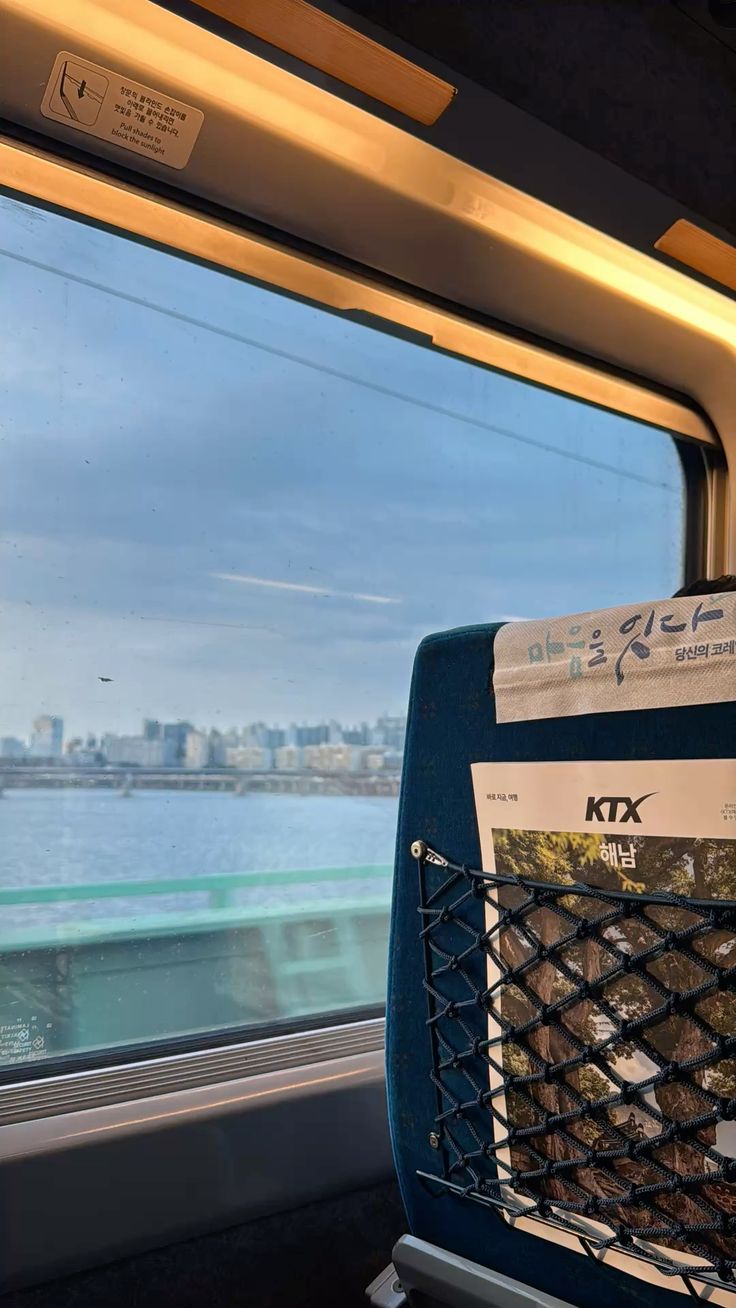
For trips beyond your city, the KTX high-speed rail connects Seoul to Busan, Daejeon, Gwangju, and more, often in one to three hours. It is comfortable and reliable. Book through the official rail apps or at the station. Intercity express buses are a cheaper, slower alternative that reaches almost everywhere.
The apps to install
- Naver Map or KakaoMap for directions. Google Maps is limited in Korea, so use a local app for transit and walking routes.
- Kakao T for taxis and to pay for rides; it is the standard taxi-hailing app.
- Public bike-share apps (such as Seoul's Ttareungi) for short hops, often bundled with the higher Climate Card tier.
What to do next
- Pick up a T-money card on arrival, or ask for a transit-enabled bank card.
- Install Naver Map or KakaoMap and Kakao T before your first commute.
- See the Life in Korea overview for everything else you need in your first weeks.