Guide
Life in Korea for International Students
Getting admitted is half of it. The other half is actually living here: a place to sleep, a bank account, a phone, health insurance, and a way to get around. Here is how all of it fits together.

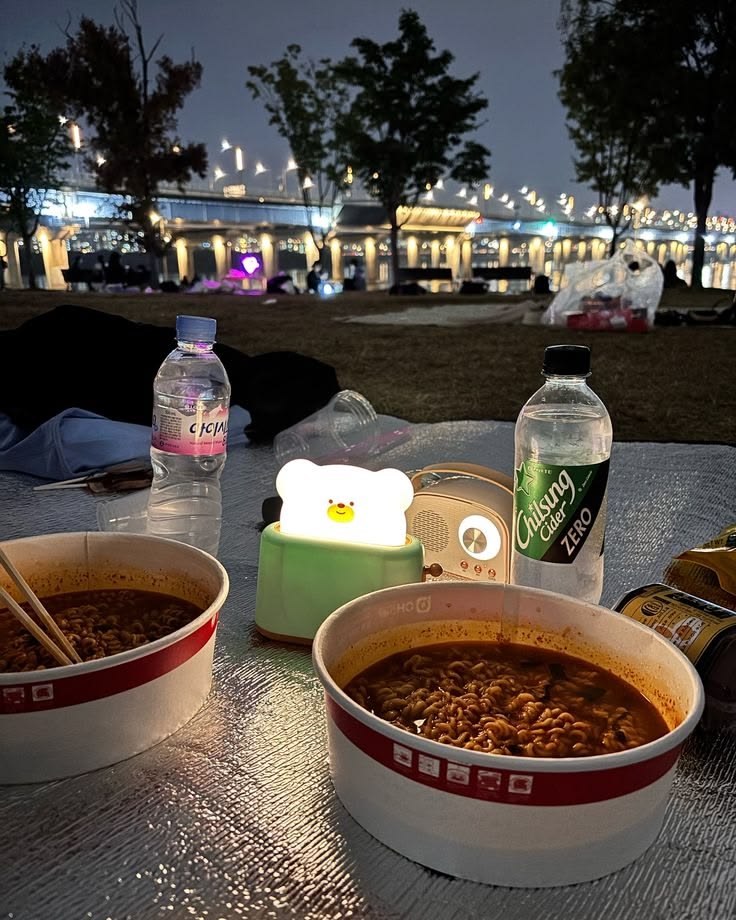
Studying in Korea is not just an admissions project. The day you land, a second set of tasks begins: register your address, open a bank account, get a Korean phone number, enroll in health insurance, and figure out how to get from your room to your classes. None of it is hard, but it happens in a specific order, and a few steps unlock the others. This guide is the map. Each section links to a deeper guide when you need the detail.
- Your residence card comes first. The alien registration card (officially the residence card) unlocks almost everything else, from a bank account to a long-term phone plan. Apply within 90 days of arrival.
- Housing is your biggest decision. A dorm or goshiwon keeps your first year simple and deposit-free; a one-room gives you space but needs a deposit.
- Health insurance is mandatory and cheap. Student visa holders are auto-enrolled in national health insurance for roughly KRW 76,000 a month, and it covers most care.
- Public transport is excellent and inexpensive. One T-money card works on the subway, buses, and taxis nationwide.
- Budget around KRW 1,000,000 to 1,600,000 a month in Seoul, less elsewhere. See the cost of studying in Korea for the full breakdown.
The first-week order of operations
The tasks depend on each other, so the sequence matters. A rough order that works for most students:
- Move into temporary or confirmed housing. If you have a dorm, you are set. If not, many students book a short stay (a goshiwon or a guesthouse) for the first couple of weeks while they view one-rooms.
- Get a prepaid SIM at the airport or a convenience store so you have a number immediately. A passport is enough for prepaid. See the phone and SIM guide.
- Register at your university and collect your certificate of enrollment. You will need it repeatedly.
- Apply for your residence card through HiKorea. This is the gateway step.
- Open a bank account once your card arrives (or a basic passport-only account sooner).
- Confirm your health insurance enrollment and set up payment.
Housing: where you will actually live
Housing is the line item that varies most and shapes your whole experience. The three realistic options for students:
- University dormitory. The simplest first-year choice. Furnished, on or near campus, usually little or no deposit, often with a meal plan. Spots are limited and fill fast.
- Goshiwon. A tiny private room with a shared kitchen, rented by the month with no deposit. Cheap and flexible, good for a first landing or a language year.
- One-room or officetel. A small studio apartment, more space and privacy, but it needs a refundable deposit (often a few million won) on top of monthly rent.
The full comparison, including how the wolse (monthly rent plus deposit) and jeonse (large lump-sum deposit) systems work, is in the student housing guide.
Money: banking and budgeting
You will need a Korean bank account for rent, your scholarship stipend, part-time pay, and most apps. Opening one usually requires your residence card, though some banks offer a basic passport-only account sooner. The bank account guide covers the documents and the most foreigner-friendly banks.
For what life actually costs, a typical student month in Seoul runs about KRW 1,000,000 to 1,600,000 including housing, with smaller cities meaningfully cheaper. The cost of studying in Korea guide has the full tuition-plus-living breakdown in won and dollars.
Health insurance
National health insurance is not optional. International students on a D-2 or D-4 visa who stay six months or more are enrolled in the National Health Insurance Service automatically, at a flat student rate of roughly KRW 76,000 per month. In return, most doctor visits, prescriptions, and hospital care are heavily discounted. The health insurance guide explains coverage, payment, and why keeping up with premiums protects your visa.
Getting around
Korea has some of the best public transport in the world, and it is cheap. A single T-money card, which you reload at any convenience store or station machine, works on the subway, city buses, and even taxis across the country. A subway ride in Seoul starts around KRW 1,550, transfers between subway and bus are discounted, and a monthly pass exists for heavy commuters. For trips between cities, the KTX high-speed train is fast and comfortable.
Daily life and culture
The cultural adjustment is real and it fades. Korea is safe, convenient, and welcoming to students, but everyday norms (how you greet people, dining etiquette, how university life is organized) take a few weeks to absorb. Food is affordable if you lean on campus cafeterias, convenience stores, and small local restaurants. The culture and first-weeks guide covers etiquette, making friends, groceries, and what to pack.
What to do next
- Sort housing first: read the student housing guide.
- Apply for your residence card within 90 days of arrival.
- Open a bank account and confirm your health insurance.
- Still choosing where to study? Compare schools and cities in the universities directory and run the KoreaAdmit quiz.